19 articles

On 17 April 2026, Anthropic Labs officially launched Claude Design, a groundbreaking move that shifts artificial intelligence from language assistance to direct intervention in professional visual design workflows. It is powered by the most advanced vision model to date, Claude Opus 4.7.

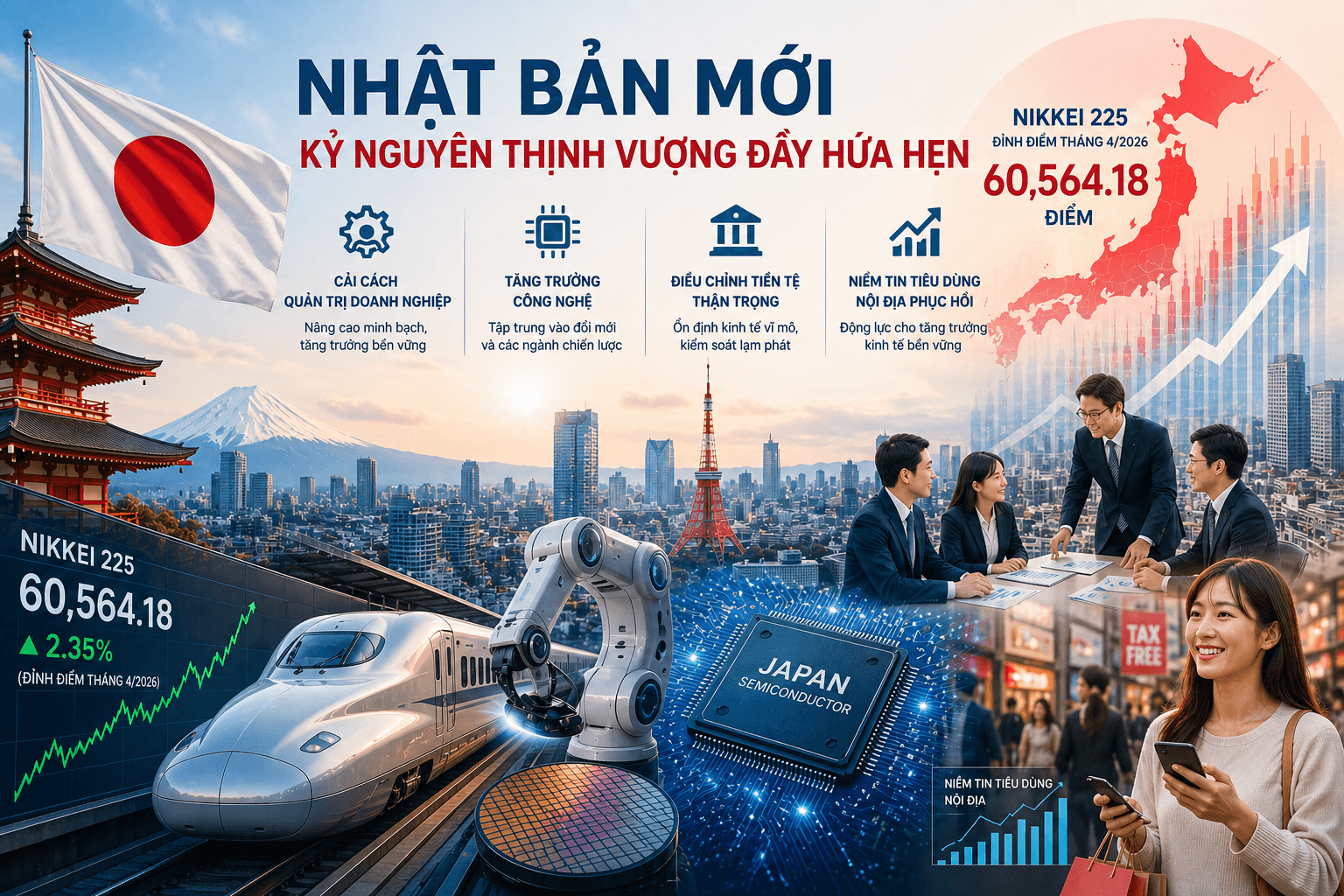
Japan's market opened on a positive note, with the Nikkei 225 rising, supported by technology stocks and AI-related capital flows following a major investment from Microsoft. The yen continued to weaken as investors awaited the Bank of Japan's interest rate decision.

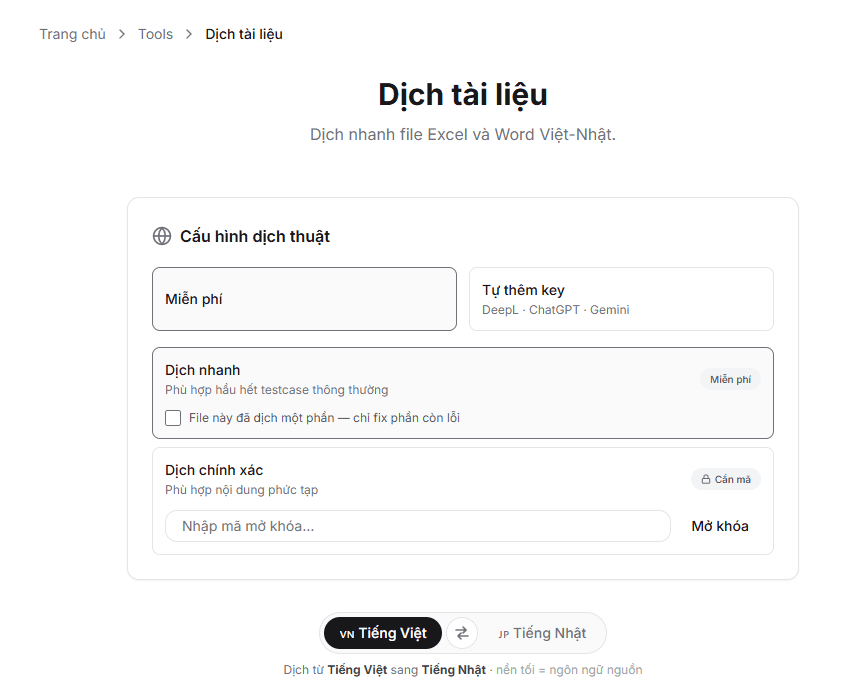
A detailed guide on translating Excel and Word files from Vietnamese to Japanese (and vice versa) using an integrated tool — free of charge or with a personal API key for faster and more accurate translation.

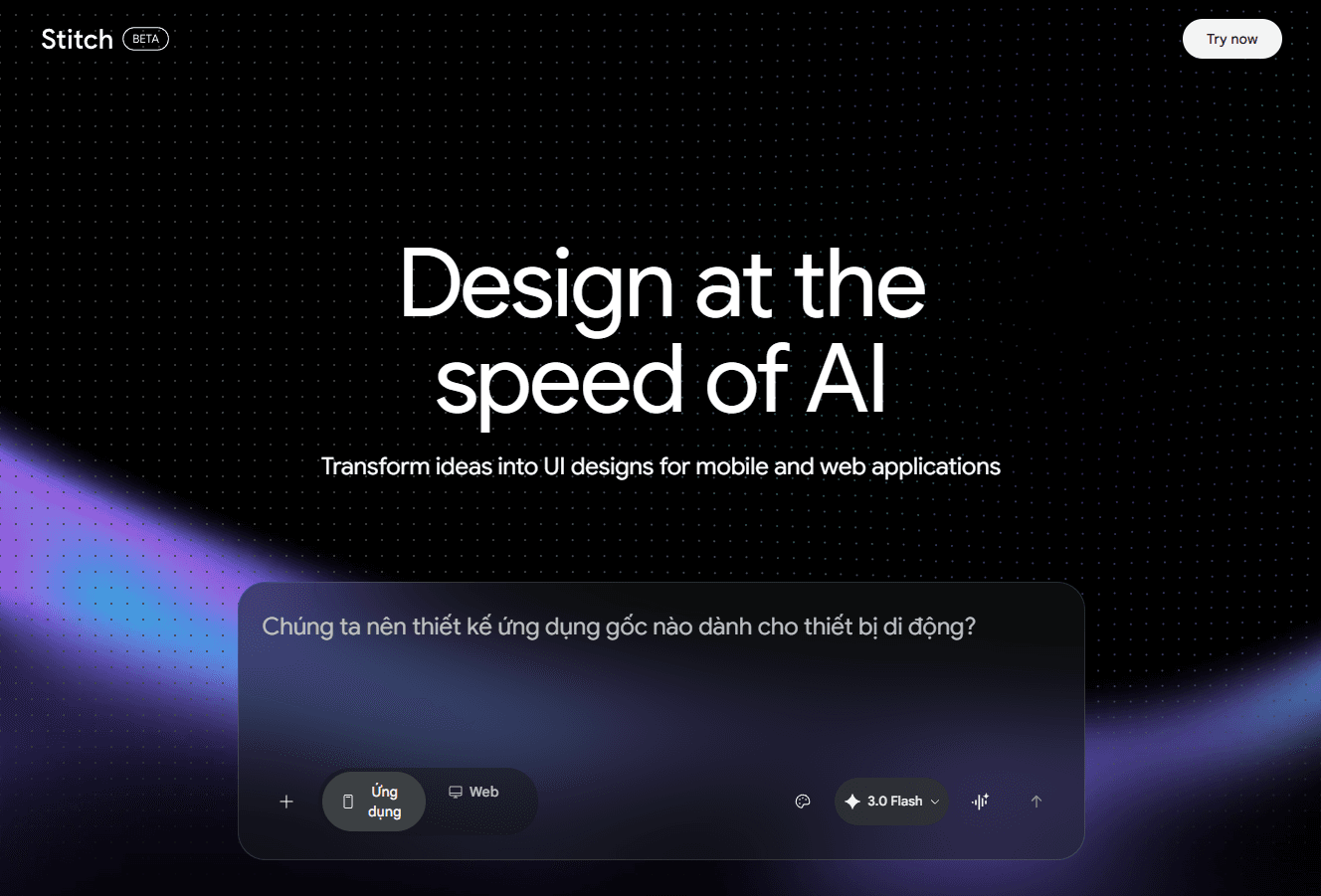
An introduction and practical guide to Google Stitch, an AI design platform developed by Google Labs that can transform text descriptions, sketch images, or voice inputs into complete UI/UX interfaces and source code in just minutes.

As of April 2026, the Gemini 1.5 series has become a legacy platform. Google AI Studio now fully supports the latest Gemini 2.5 and Gemini 3.1 generations. This article will guide you through obtaining an API Key to integrate Google's most powerful AI models into your project.
A detailed guide on harnessing the power of AI to analyse images, convert them into HTML/Tailwind CSS code, and import them directly into Figma as vector layers via the .h2d intermediate format.
This article provides a detailed, step-by-step guide to installing and configuring Gemini CLI within the VS Code environment. With just a few simple steps, you can log in with your Google account and start leveraging AI to accelerate your coding workflow.
Facing a severe population decline and pressure from the Yen exchange rate, the Japanese government has unveiled an 'unprecedented' policy package aimed at attracting global talent, determined to transform Tokyo into Asia's new startup hub.
After months of intense negotiations, the United Nations has formally adopted the first legal framework to regulate and oversee AI systems capable of autonomous decision-making, marking a turning point in the history of technology governance.